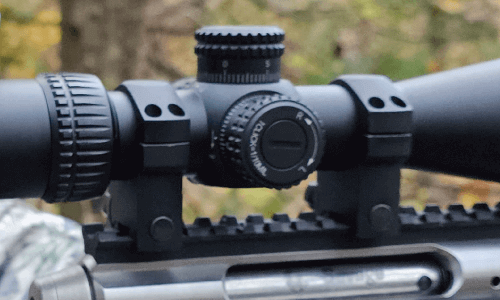
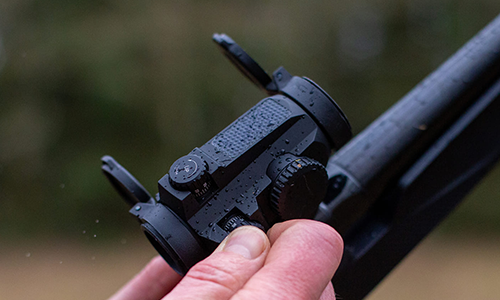
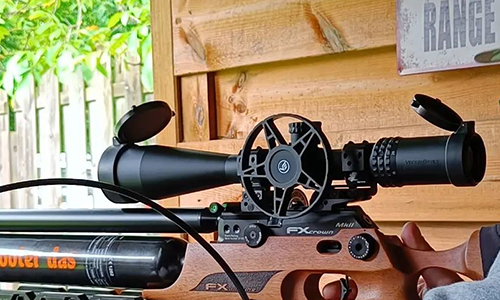
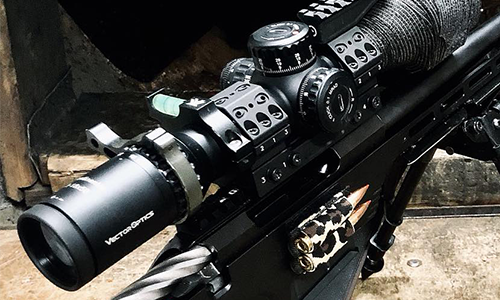
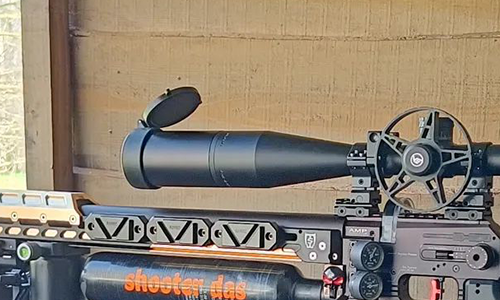
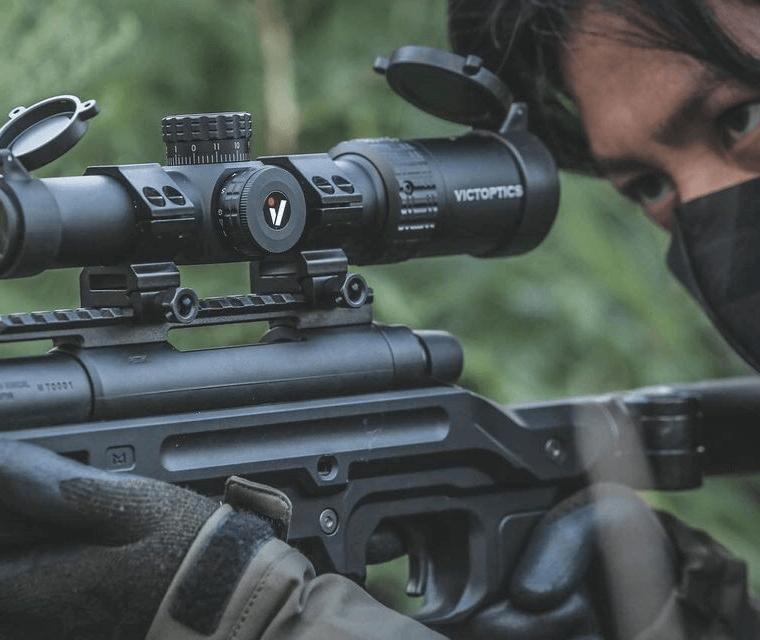
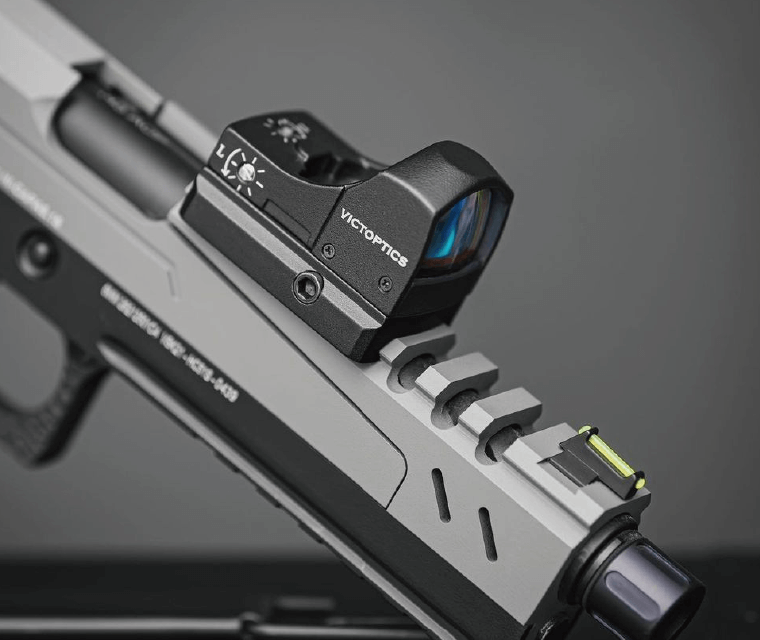
Small game hunting targets smaller wildlife species. It is often considered a traditional and regulated sport with legal requirements in specific seasons. Hunters usually pursue small game for the challenge, for fun, or for their meat — and choosing the best rifle scope for small game hunting makes every one of those goals easier to hit.
1. What Animals Can You Hunt in Small Game Hunting?
Small game hunting covers a variety of smaller animals, such as rabbits, squirrels, pheasants, quails, and sometimes waterfowl. These are fast, alert, and often partially hidden targets — which is exactly why a dedicated small game hunting scope with a simple, intuitive reticle pays off.
1.1 At What Distance Is Small Game Shot?
The typical shooting distance for small game hunting varies depending on the species, terrain, and the weapon used, generally from 20 to 100 yards.
Rabbits and Squirrels: Shotgun hunters typically engage within 20 to 40 yards, while those using .22 rifles or other small-caliber firearms may shoot at distances up to 50 yards — where a clear rabbit hunting scope with a fine aim point really helps on a squirrel's head-sized vitals.
Birds (quails and pheasants): Shotgun hunters typically take flying birds from 20 to 40 yards away, where a wide field of view matters more than magnification.
1.2 When Is the Best Time for Small Game Hunting?
Generally, early morning and late evening remain the optimal times for small game hunting, when rabbits, squirrels, and upland birds are most active. Those dim windows are also when optical quality and a visible reticle earn their keep.
1.3 What Features Should the Best Small Game Hunting Scope Have?
Focal Plane: SFP Is Preferred
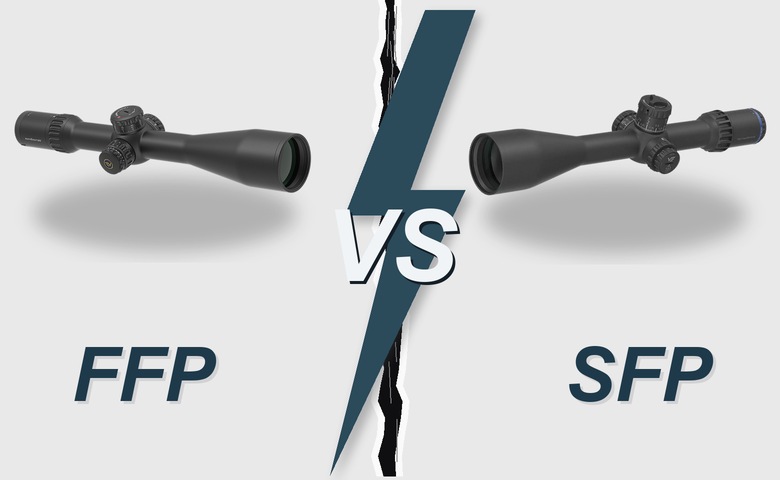
SFP (Second Focal Plane) is preferred for small game hunting, considering that shooting ranges are usually from 20 to 50 yards: the reticle stays fine and constant at the powers you will actually use, giving an uncluttered aim point on small targets.
Still deciding between the two? Our FFP vs. SFP guide breaks down how each focal plane works and where it makes the most sense.
Magnification: 1-4x, 1-6x, 2-7x, 3-9x — and Compact Low-Power Options
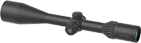
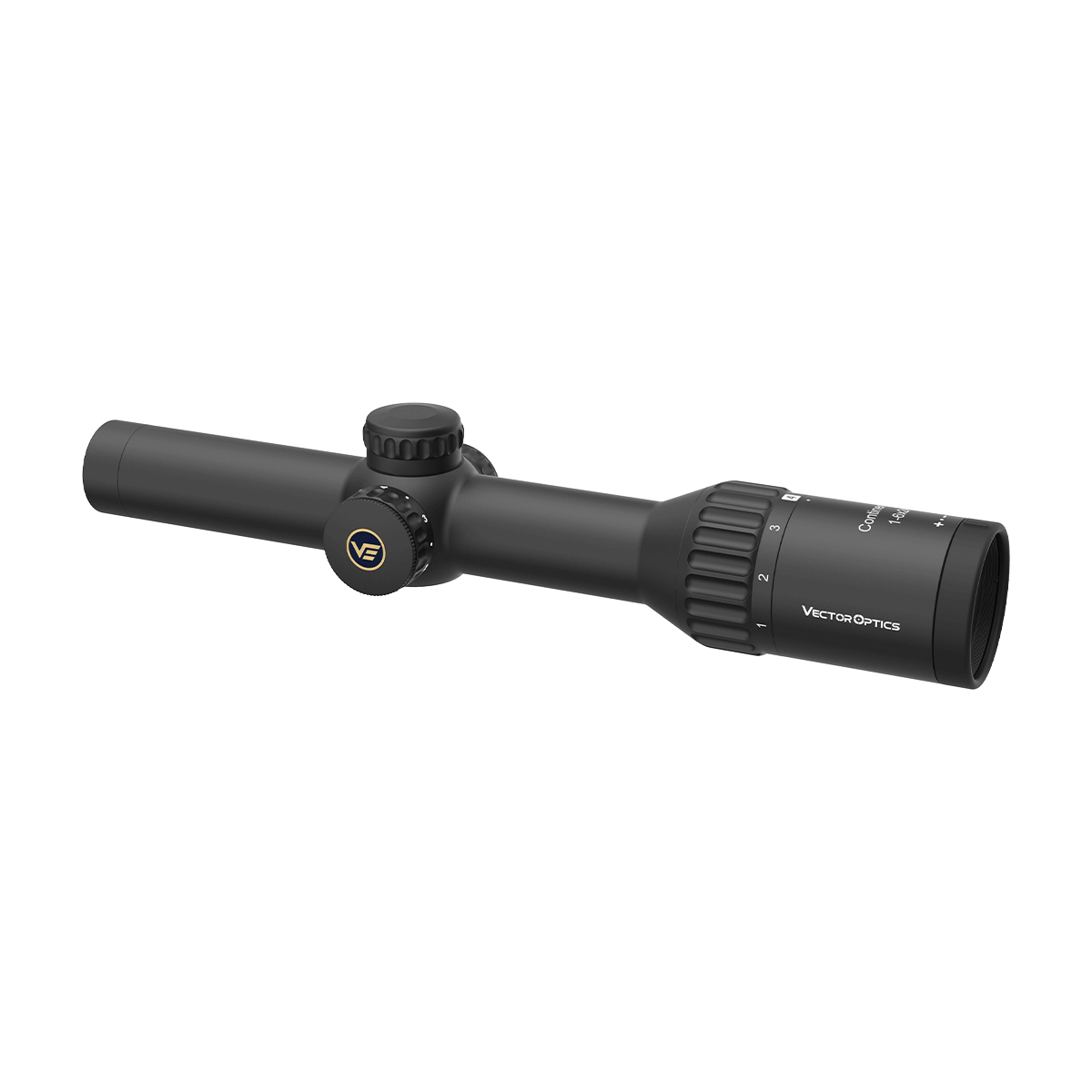
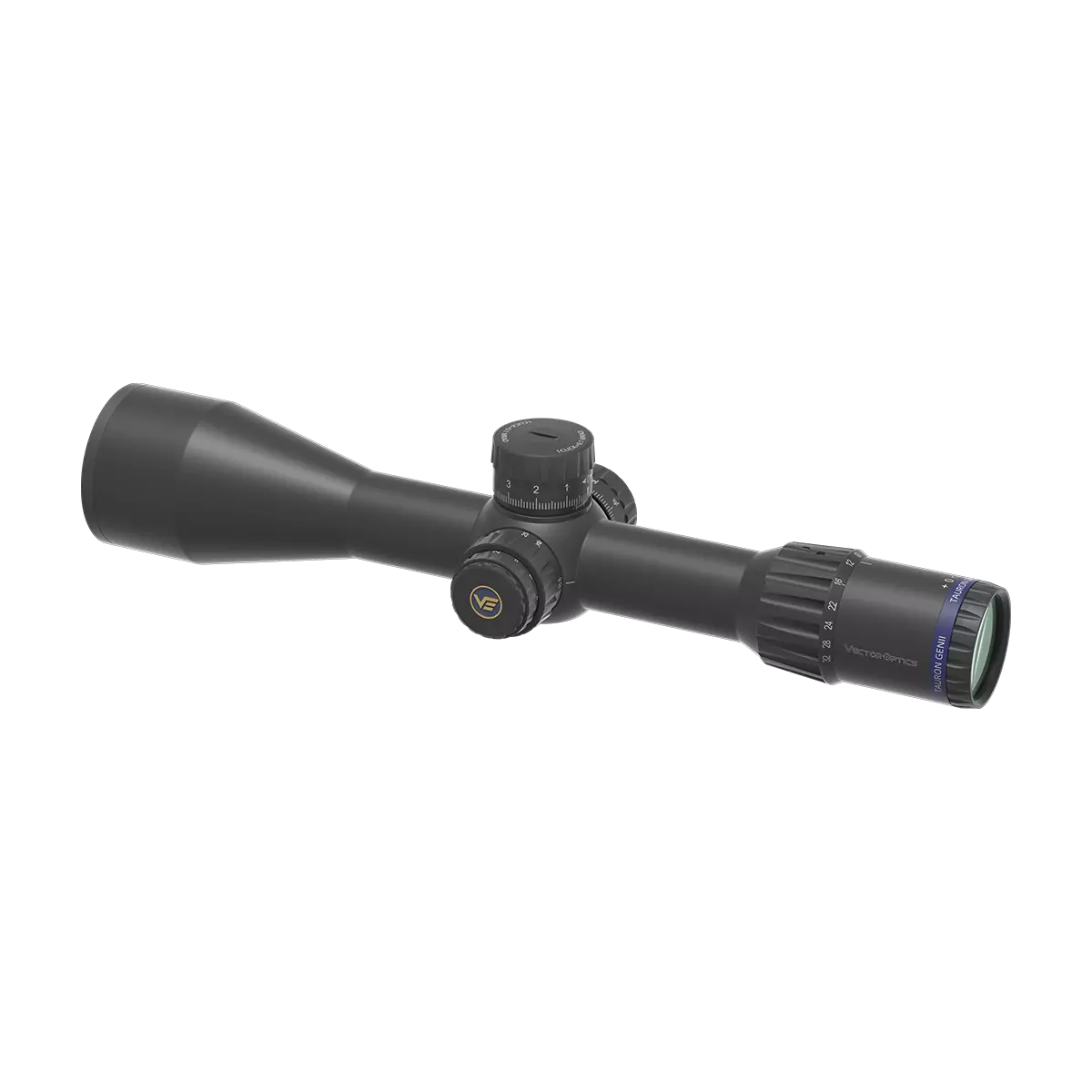
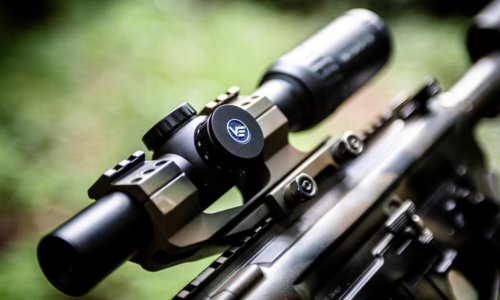
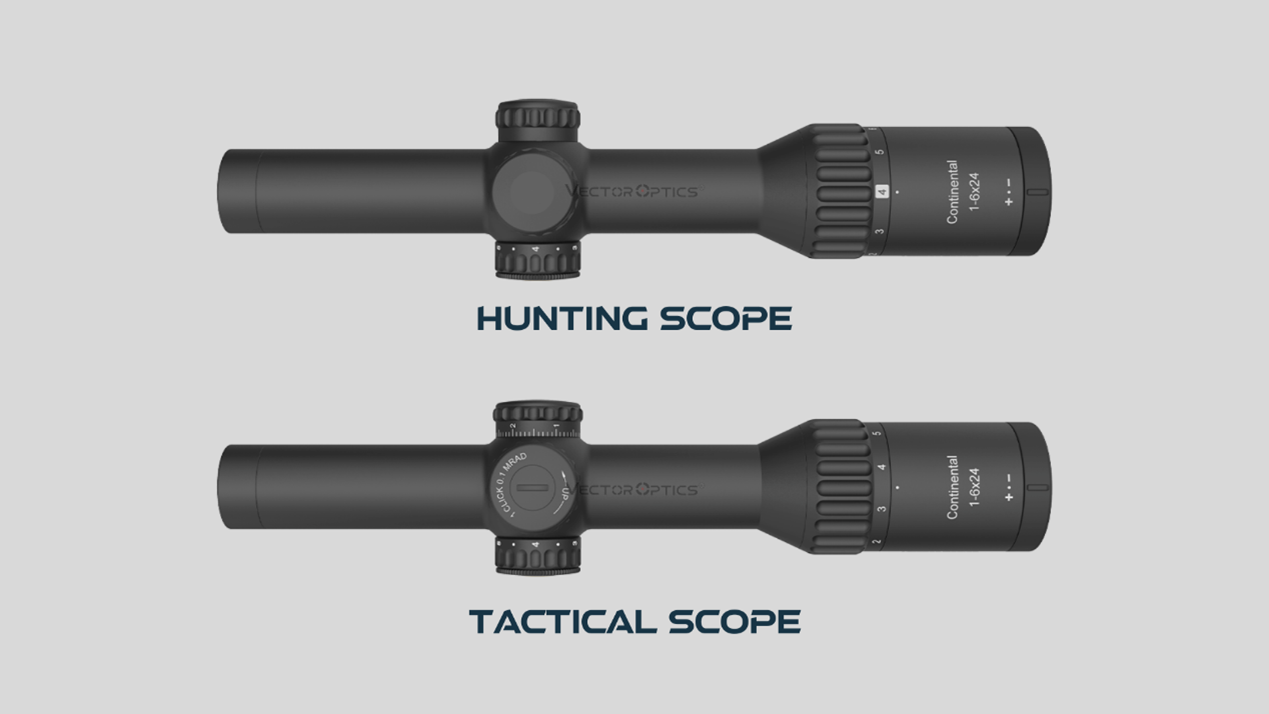
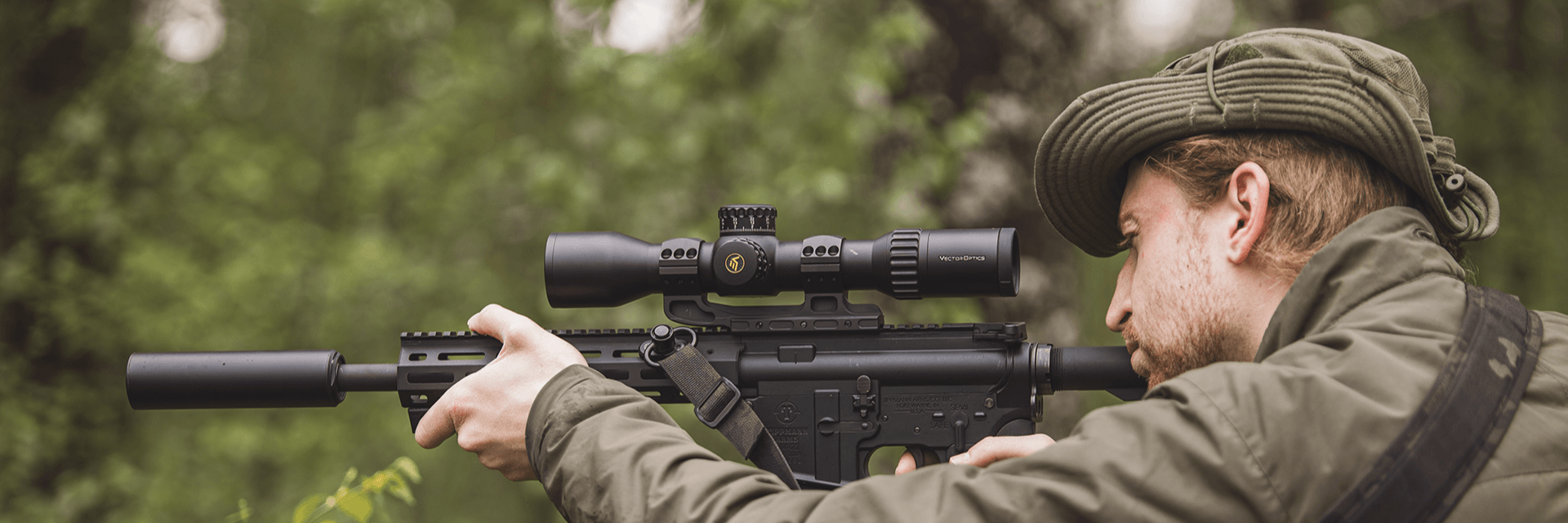
LPVO and MPVO scopes are recommended for small game hunting, since the shooting range is fairly close — typically up to 50 yards. A classic 1-4x or 1-6x LPVO provides a wide field of view and allows two-eyes-open shooting for chasing moving targets like flushing quails or running rabbits. If your small game grounds also offer longer shots — squirrels at the far tree line, or open-field rabbits past 100 yards — the newest compact scopes tagged for Small Game Hunting, like the Veyron GenII lineup from 2-10x up to 6-24x, extend your reach without much weight penalty.
If you're considering an LPVO, our Continental LPVO comparison explores how different configurations can affect your shooting experience.
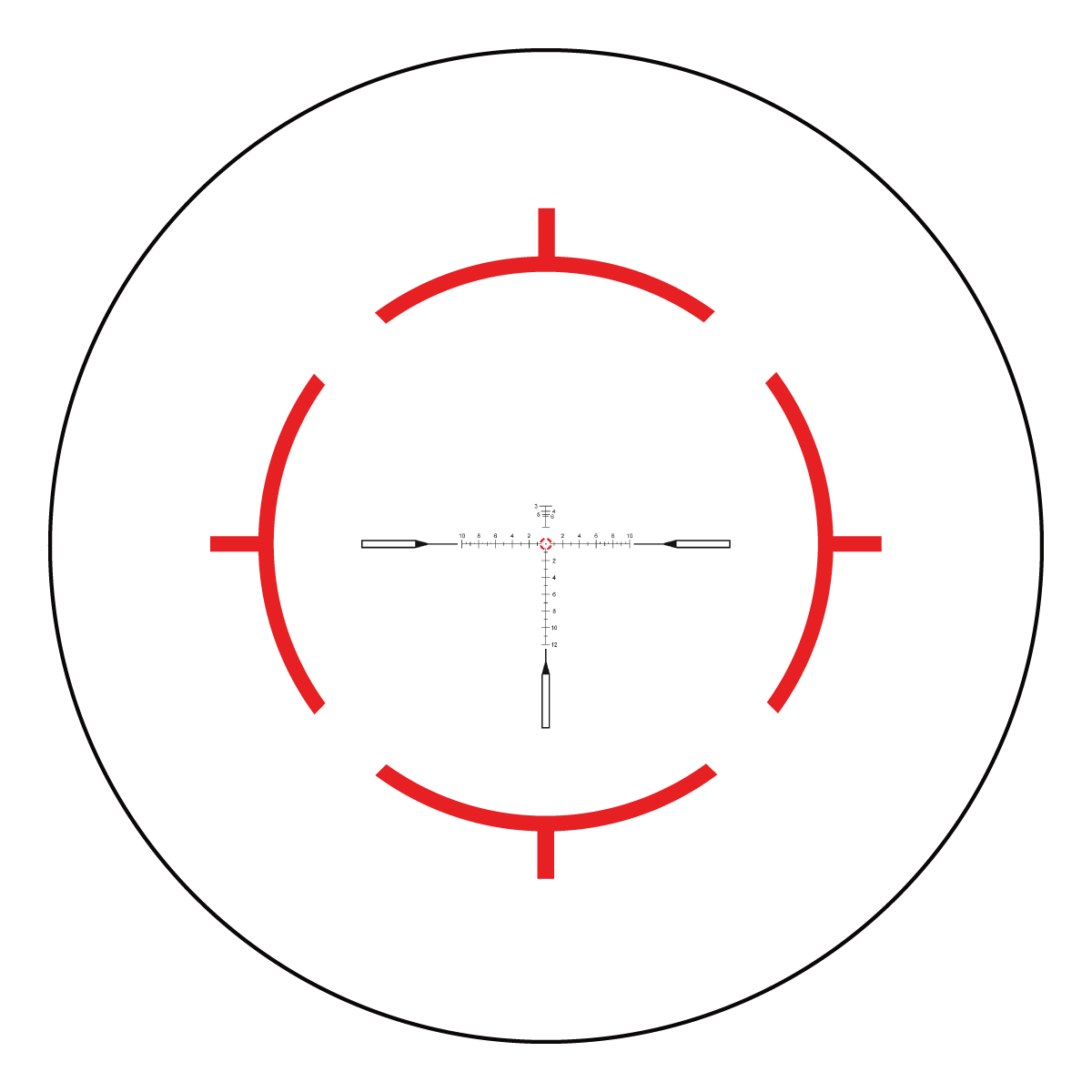
Fiber or Etched Reticle: G4 Pattern for Close Range
Both fiber-optic and etched glass reticles work quite well for small game hunting. For close-range shooting, the G4 pattern is recommended: it is straightforward and intuitive for quick target acquisition, and the thicker outer lines draw your eye to the center. Etched glass reticles are generally more durable, while fiber reticles possess a more visible illuminated center dot — handy in bright midday light or deep brush.
Not sure which reticle fits your hunting style? Check out our guide to choosing the right reticle for a closer look.
Light Transmission
During close-range shooting, images at limited magnification often show minimal differences in viewing experience. However, a scope with high light transmission is still preferred for small game hunting, particularly under low-light dawn and dusk conditions, as it enhances clarity and visibility, improving target acquisition and accuracy.
Recoil: Built for Shotguns
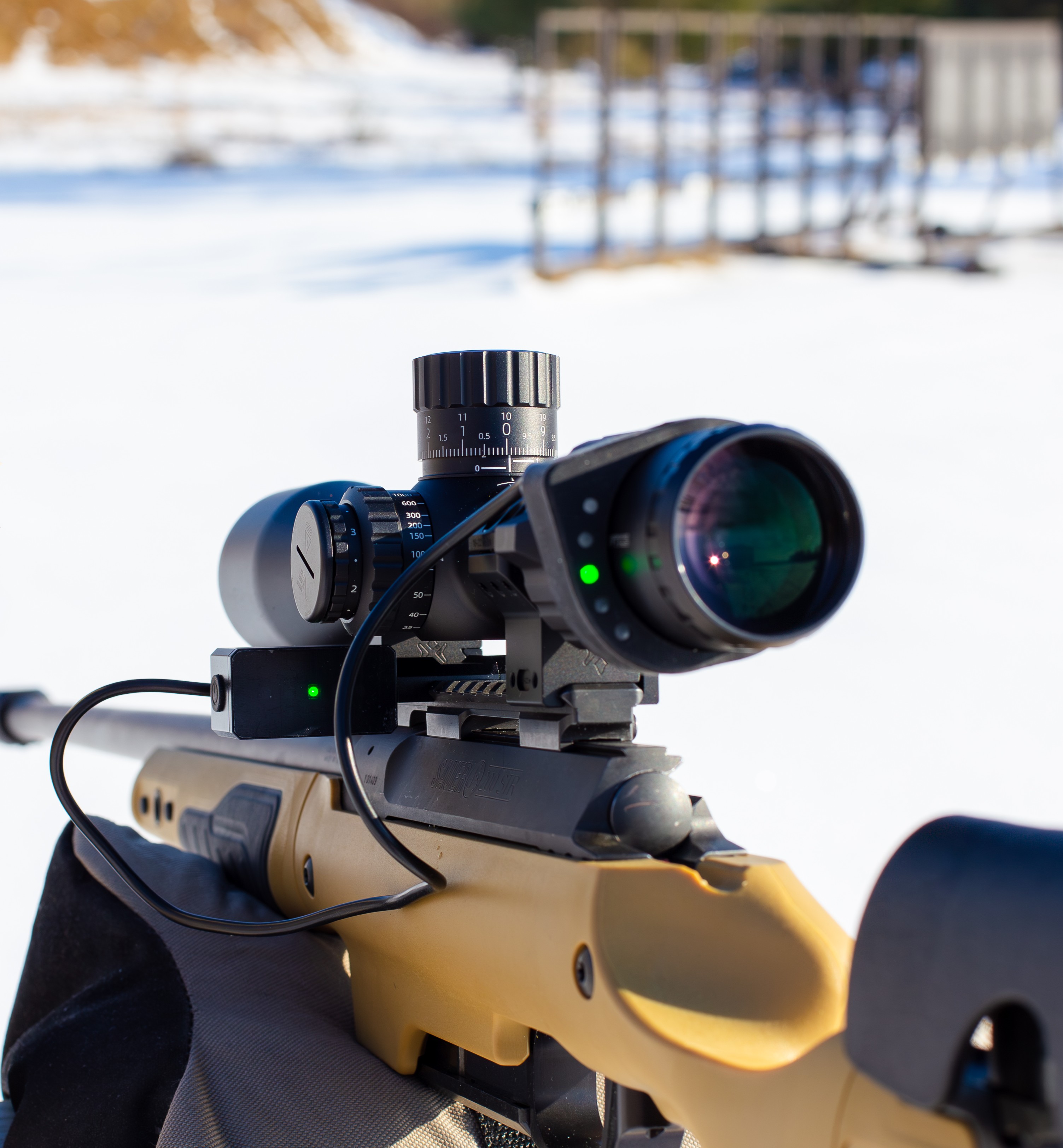
Shotguns are a preferred tool for small game hunting, and shotguns — particularly 12 Gauge — can generate significant felt recoil. It is advisable to use a scope designed to withstand heavy recoil. All Vector Optics scopes are built to handle over 750G and carry an IP56 waterproof rating, so recoil and weather are one less thing to worry about in the field.
Weight: Light and Quick to the Shoulder
Typically, scopes weighing between 12 to 24 ounces (340 to 680g) are ideal for small game hunting. A lightweight hunting scope strikes an optimal balance between durability and portability, and keeps the rifle balanced when you raise it fast — making it easier to achieve a steady aim on an unexpected target.
Summary: What Is the Best Small Game Hunting Scope?
An SFP scope with a G4 reticle pattern is the core recommendation for small game hunting — simple, fast, and intuitive within 20 to 100 yards. If your budget allows, prioritize light transmission and a wide field of view; other features become less critical if the budget is limited.
2. Best Vector Optics Scopes for Small Game Hunting (Latest GenII Lineup)
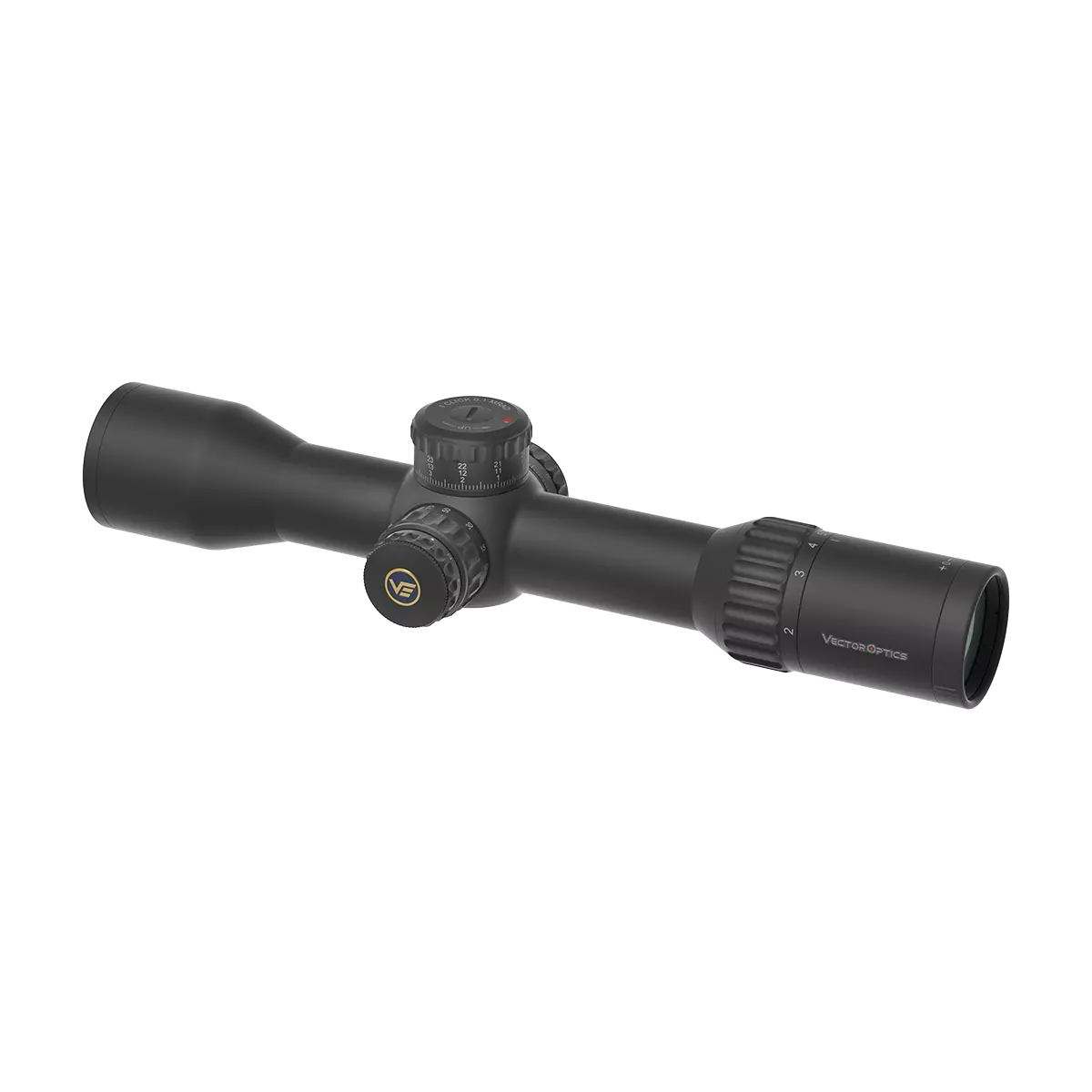
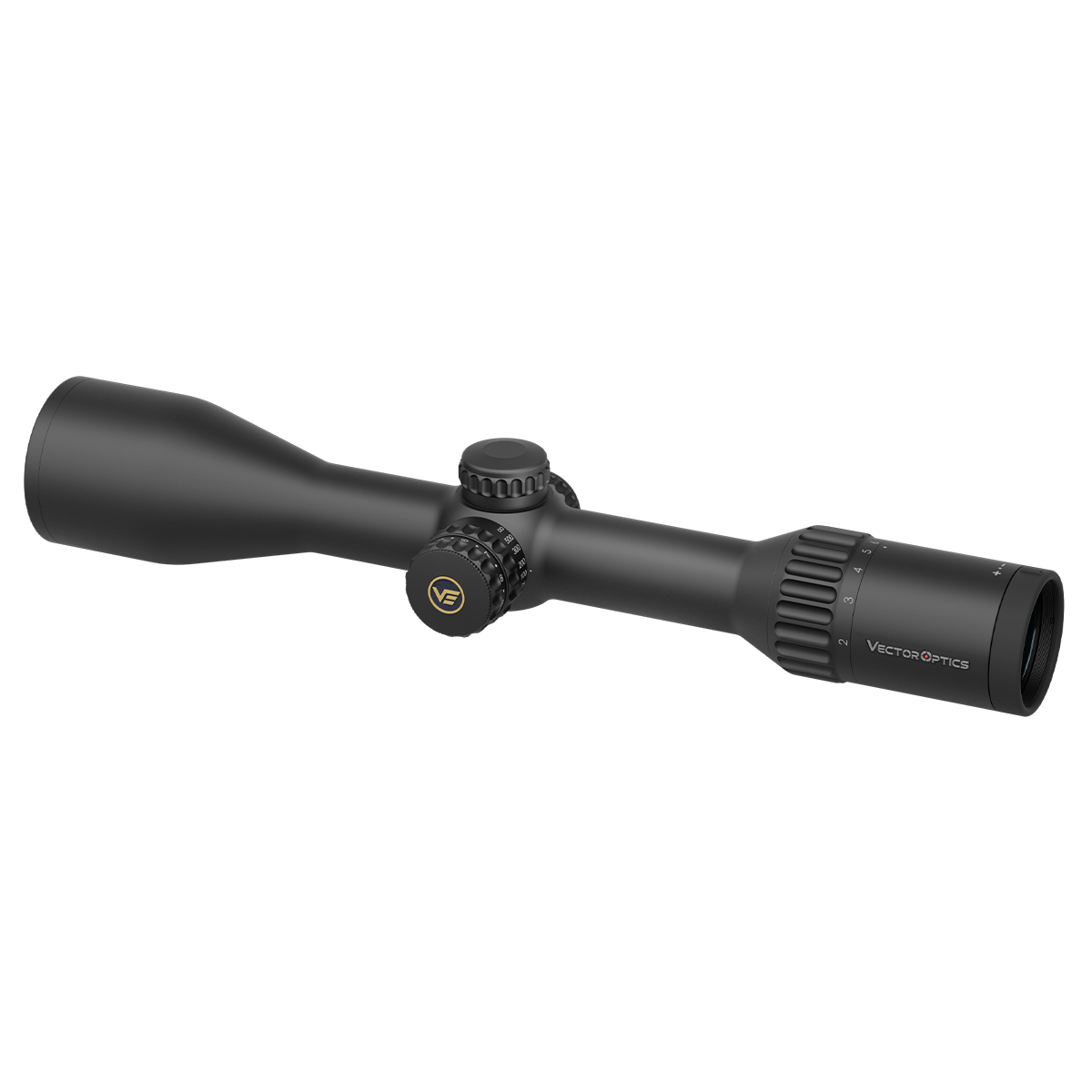
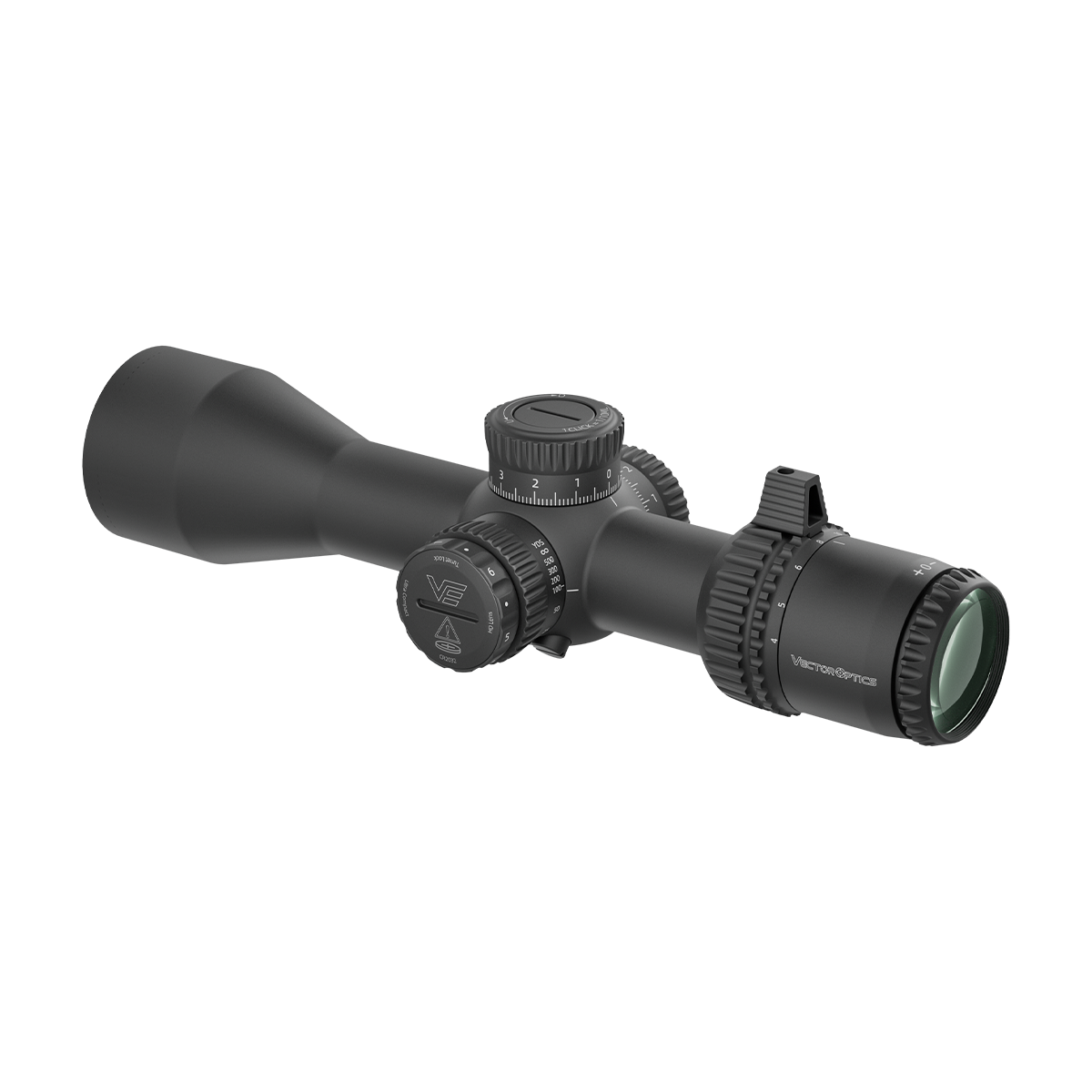
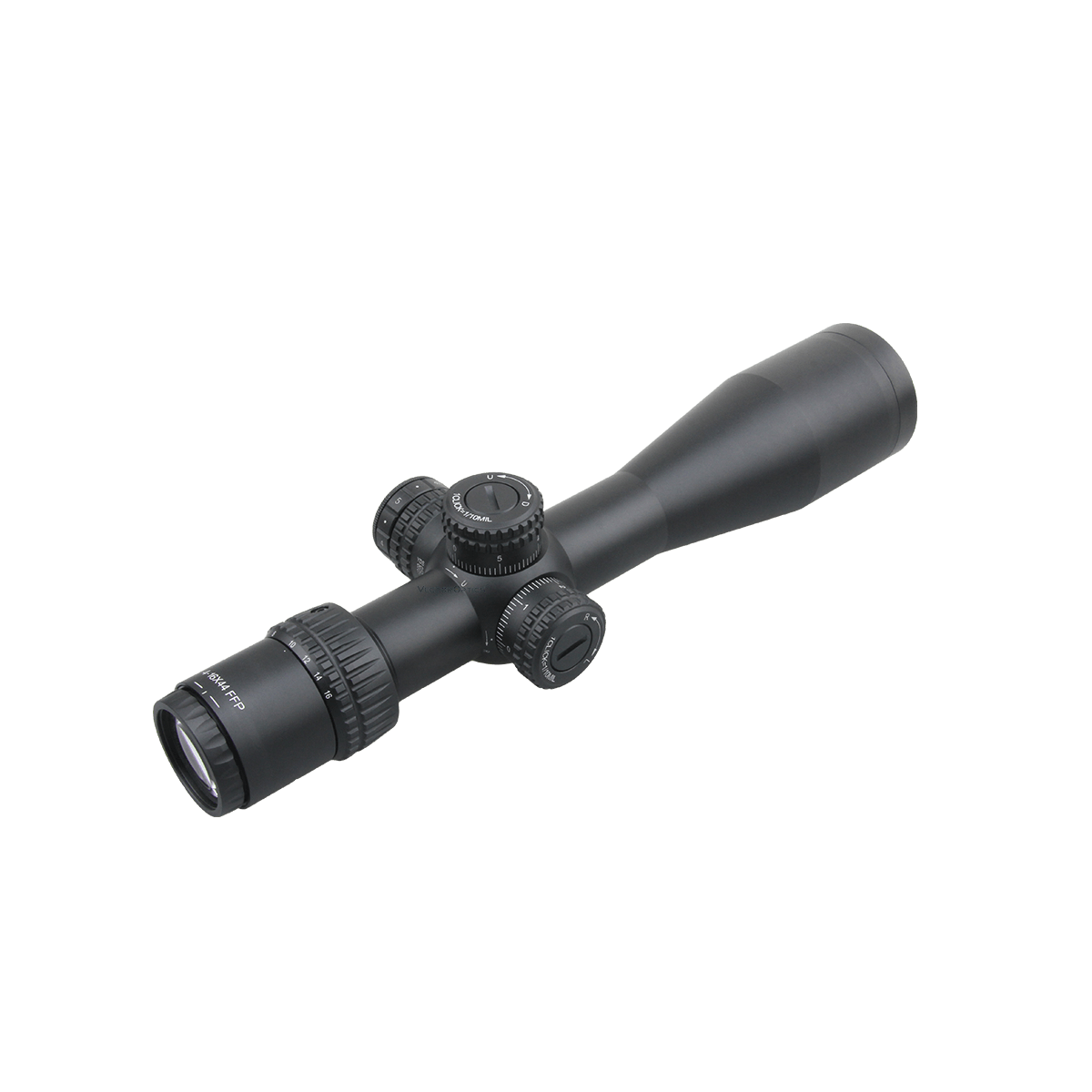
Our newest Veyron GenII series carries the Small Game Hunting application tag, alongside Mid-to-Long Range and Varmint Hunting. These compact, lightweight scopes cover everything from brush-range rabbits to far treeline squirrels:
Curious about what makes the Veyron lineup different? Take a closer look at our Veyron scope guide to explore its compact design and different focal-plane options.
3. Final Thought
At the end of the day, small game hunting is where most hunters fall in love with the sport — a light rifle, a quiet morning, and a pocketful of shells are all it takes. It sharpens the fundamentals that every discipline is built on: patient spotting, steady offhand aim, and clean, ethical shots on small targets. Whether it is a rabbit for the pot, a squirrel in the treetops, or a rooster pheasant flushing wild, the hunt stays simple, affordable, and endlessly rewarding. Get out early, walk slow, and enjoy the best breakfast conversations the woods have to offer.
FAQ
1. When is small game hunting season?
Seasons vary widely by state and species. Squirrel seasons typically run from late summer or fall into winter, rabbit seasons peak in late fall and winter when brush is thin and rabbits are moving, and upland bird seasons (pheasant, quail) generally open in autumn. Small game seasons are often longer and more generous than big game seasons, but always confirm exact dates, bag limits, and licensing requirements with your state wildlife agency before heading out.
2. Do I need a license for small game hunting?
Yes — small game hunting is a regulated sport almost everywhere. You will normally need a hunting license, and many states additionally require a hip registration for migratory birds or a separate upland bird stamp. Small game licenses are usually inexpensive, and many states offer apprentice or youth licenses so newcomers can try the sport under supervision. Check whether your chosen public land has weapon-specific rules (shotgun-only areas, for example) before you go.
3. Should I use a shotgun or a .22 rifle for small game?
It depends on the target and terrain. A 20-gauge or 12-gauge shotgun is the natural choice for flushing and flying birds like quail and pheasant, and for thick-cover rabbits. A .22 LR or similar small-caliber rifle shines for headshot-precise squirrel hunting in open woods, is quieter, cheaper to shoot, and preserves more meat. Many small game hunters carry both through a season — shotgun for moving targets in cover, rifle for stationary ones in the open.
4. Can I hunt small game with a dog?
Absolutely — and for many species it is the traditional way. Beagles trail and circle rabbits back toward the gun, spaniels and pointers find and flush pheasants and quail, and terriers excel at squirrel dogs in timber. Hunting over a dog adds enormous action and success rates, but it also adds responsibility: train basic obedience and retrieve work before the season, carry water for your dog, and be mindful of hot-weather hunts. Always check local rules, as some areas restrict dog hunting for certain species or seasons.


 Rifle Scopes
 Browse by:
 HuntingHUNTING TEST

 EntertainmentCompetition Competition
 Shooting DistanceCompetition Competition
 Competitiontest
 Red Dot Sight & Magnifier
 Outdoor Optics